 About
Imaging workflow software for the teams that keep studies moving
RadFuzion brings DICOM routing, HL7 order workflows, automated prior retrieval, cloud image management and on-site downtime reading into one platform. It is made by Fuzion Technologies LLC in Amarillo, Texas, for radiology IT teams, imaging centers, hospitals and teleradiology groups.
What RadFuzion does
An imaging study passes through many hands before it is read: the modality, a router or gateway, the archive, the reading system and the RIS that receives the report. Each handoff can stall. RadFuzion puts those handoffs in one place.
It receives studies over DICOM and DICOMweb and routes them by rules to:
- PACS and other DICOM destinations;
- Google Cloud Healthcare API, Azure and other DICOMweb stores;
- Amazon S3.
Exams are held when a destination is down and sent automatically when it returns. HL7 orders drive the rest:
- the modality worklist;
- prior retrieval;
- image holds;
- results back to the RIS.
When a cloud PACS is unavailable, radiologists can keep reading on site and sign preliminary reports.
The full list is on the features page, and the product can be tried in the browser demo.
Leadership
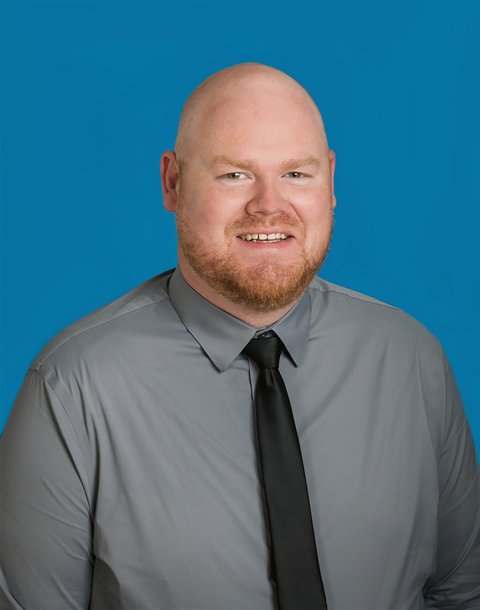
Mark Jones
Co-Founder & CEO
Mark has worked in radiology IT since 2010 at High Plains Radiological Association, a teleradiology practice in Amarillo, where he is Chief Technology Officer. There he has served as PACS administrator, network engineer and HL7 engineer for a network of more than 50 teleradiology clients, and has built HL7 order and results interfaces with systems including Epic, Cerner, Meditech and CPSI. He is a member of the Society for Imaging Informatics in Medicine (SIIM) AI Committee and presented work on AI-assisted exam code normalization at the SIIM 2026 Annual Meeting.
LinkedIn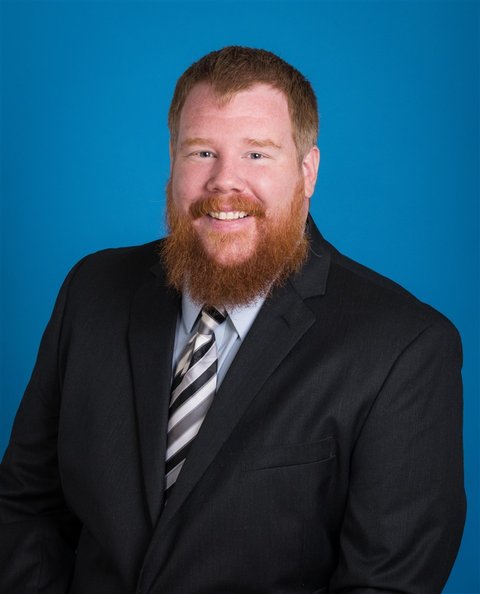
Gage Agers, DO
Co-Founder & Chief Medical Officer
Dr. Agers is a board-certified diagnostic radiologist with a special interest in musculoskeletal radiology. He earned his medical degree at A.T. Still University, completed his radiology residency at Southern Illinois University School of Medicine and a fellowship at the University of Iowa. As a practicing radiologist, he brings the reading room’s view to RadFuzion: what radiologists need from downtime reading, prior studies and the reporting workflow.
How we build it
It runs on your servers
RadFuzion installs on your own Windows or 64-bit Linux servers, so images, orders and reports stay in your environment. RadHub runs many sites from one console without keeping patient data on the hub.
Built on published standards
DICOM and DICOMweb for images, HL7 v2 over MLLP for orders and results, with TLS for both. It connects to PACS, RIS and cloud stores the way they are documented to be connected to.
AI is optional
Every AI feature is off until you turn it on, works with the provider you choose, including local models, and removes patient names, MRNs and birth dates from text prompts. With AI off, everything else keeps running on fixed logic.
We say what it does
Our pages describe shipped features only. The viewer is non-diagnostic, AI drafts are for a radiologist to review, and we don’t publish customer results without their approval.
Modules
RadFuzion is one platform with modules you turn on as you need them.
- RadMatchStudy-description matching for teleradiology & priors
- RadFetchAutomated prior-study prefetch
- RadHubRun every RadFuzion site from one screen
- RadSRStructured reporting, transformed — not just mapped
- RadReadDowntime prelim reading — dictation & fax
- RadListModality worklist served from your HL7 orders
- RadShareSecure site-to-site study sharing
- RadGen7Generate DICOM from HL7 ORM
- RadDicom7Generate HL7 ORM from DICOM
- RadEngine7HL7 interface engine with no-code channels